
Why "The Porn Talk" Can't Wait: A Parent's Guide
What Is Pornography, and Why Does This Conversation Matter?
Porn is the depiction of sexual behavior in books, pictures, videos, and other media that is intended to cause sexual excitement. Many parents do not even want to use the word around their children/teens because they are scared that if they talk about it then their children will become curious and seek it out.
Research shows the opposite to be true. Why? Because if your child has any type of connection to the outside world, s/he has probably been exposed to it before you even think to bring it up. The average age for first exposure is 6 or 7 years old. Even if you keep your child off electronics/internet at home it doesn't guarantee that s/he will not be exposed. It's everywhere. It's a conversation that has to happen.
This isn't just anecdotal — a national study by Common Sense Media found that most teens have already seen pornography, many before the age of 13, and that teens who talk with a parent or trusted adult about sex learn far more from that relationship than they do from pornography itself. In other words, staying quiet doesn't protect kids — it just leaves porn as their default teacher.
Starting the Conversation with Young Children
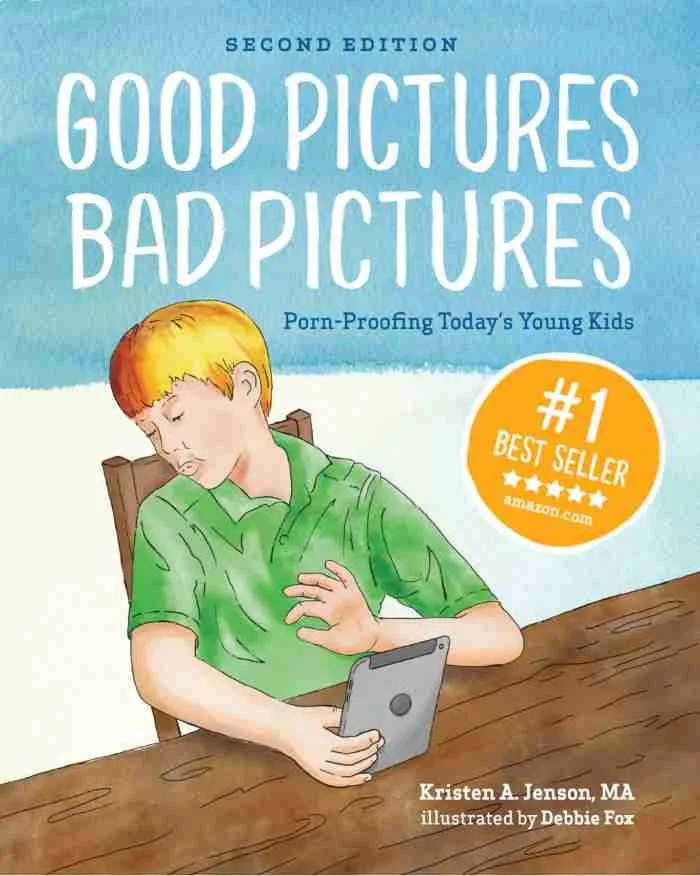
The conversation does not have to be an in-depth depiction of what porn is starting at a young age. As a parent, you can ease your children into the idea.
There is a great book by Kristen Jenson called Good Pictures Bad Pictures that can be helpful to get you started. The concept is to begin the discussion with the idea that there are some things (pictures) that we should not be viewing even as adults! It helps build confidence in children to know the difference and to feel comfortable sharing with you if they do see it.
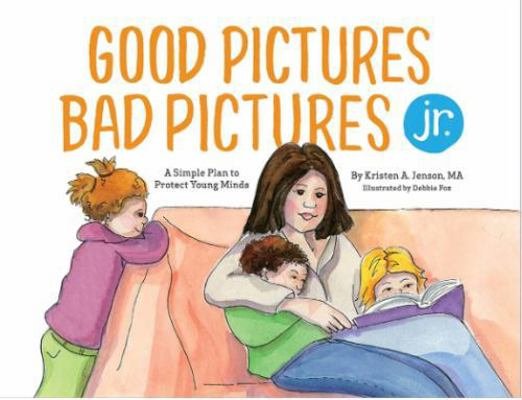
For even younger children, Jenson also wrote Good Pictures Bad Pictures Jr., designed for kids ages 3 to 6. It uses gentle, age-appropriate language to teach children a simple "Turn, Run, Tell" plan: TURN away from a bad picture, RUN to a trusted adult, and TELL them what they saw. It's a great way to give your youngest kids a first line of defense, long before they can fully understand what pornography is.
Talking to Teens Who Haven't Had "The Talk" Yet
If you are already a parent of a teen and haven't had the conversation yet, it is not too late. The chance that your teen has not been exposed is low, but opening that door to being able to talk about this tough topic allows the teen to know s/he can come to you if s/he has questions.
Keep Shame Out of the Conversation
Remember in these conversations to never make it seem shameful. Once shame enters the picture, open dialogue and vulnerability exits. Make sure your teen knows that they can come to you if this is something s/he ever struggles with and that you can help them.
The Bottom Line
Open the door, have the tough conversation, be awkward. If you don't, someone else will.